Selling an Acreage in Washington County, Nebraska? 7 Things That Can Make or Break Your Sale
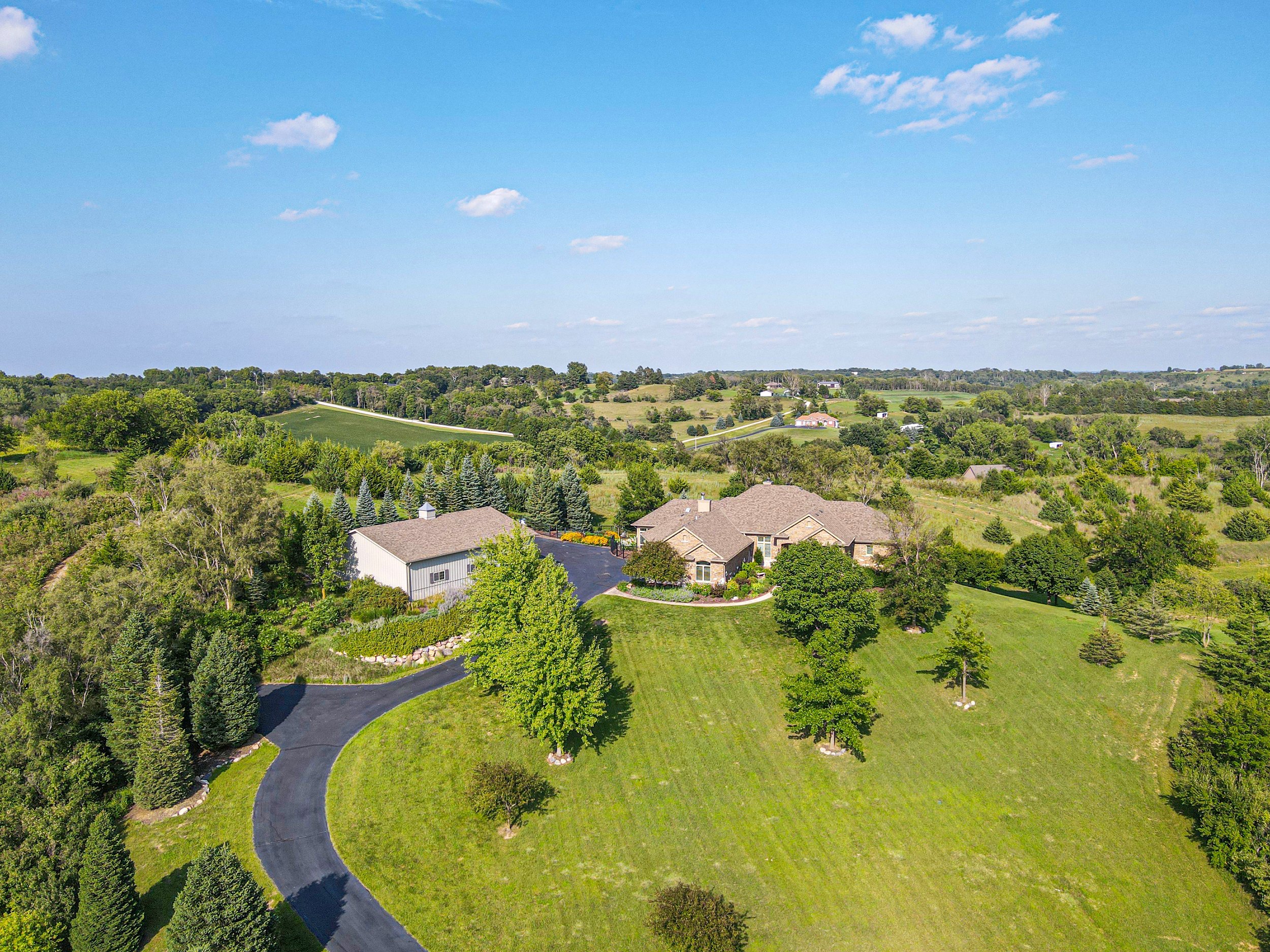
The house might be beautiful. The acreage might be breathtaking. But the details most sellers overlook can be the very things that determine whether a buyer makes an offer—or walks away.
Two Washington County properties can have nearly identical homes and the same acreage, yet attract very different buyers. The difference may have little to do with the house itself—and everything to do with what surrounds it.
I've seen how much the little things matter when it comes to rural real estate. A buyer might fall in love with a property until they realize the road isn't paved. Another might overlook an outdated kitchen because there's a heated shop large enough for their equipment.
And sometimes, the biggest concern is something you can't even see.
That's one of the reasons I got into real estate in the first place.
The Family Story That Changed How I Look at Rural Real Estate
My grandparents moved from Texas to Nebraska. My grandfather was a Vietnam War veteran, and they were purchasing their property using his VA loan.
During the buying process, there was one problem.
Nobody could locate the septic tank.
My grandparents knew about the issue. They signed a waiver acknowledging it and moved forward with the purchase.
A couple of months after closing, my uncle was riding his bicycle around the backyard.
The septic tank collapsed while he was riding over it.
Think about that for a second.
A family had purchased a home, moved in, and started building their life there. Meanwhile, a critical piece of underground infrastructure hadn't been located.
That experience sparked my interest in real estate, especially rural properties.
Because when you're buying or selling an acreage, you're not just dealing with a house.
You're dealing with the land, what's built on it, what's underneath it, how it's accessed, and what a buyer can actually do with it.
And those details deserve attention before someone signs on the dotted line.
Here are seven things I want Washington County acreage owners to understand before putting their property on the market.
1. Five Acres Doesn't Always Mean Five Usable Acres
This is one of the first conversations I want to have when pricing an acreage.
Imagine two properties outside Blair.
Both have five acres. Both have similar homes. Both appear comparable when you look at the basic listing information.
But Property A has four acres of relatively level, usable ground.
Property B has steep slopes, dense trees, drainage areas, and only a small portion of usable yard.
Are those properties automatically worth the same because they have the same acreage?
Absolutely not.
And here's where sellers can get into trouble: looking at another acreage's sale price, dividing it by the number of acres, and assuming their land should command the same price per acre.
Land value isn't just about how many acres you own. It's about what those acres offer.
Before listing, I want to know:
How much of the land is usable for the activities a buyer might reasonably want?
Are there drainage areas, steep grades, or access limitations?
Are there recorded restrictions or easements that affect potential uses?
How does the terrain compare with recently sold properties?
Is any portion of the property separately parceled, and what does that actually mean for a potential buyer?
A seller might see five beautiful acres.
A buyer might see two acres they can use and three they'll have to maintain.
Neither perspective is necessarily wrong. But understanding the difference matters when we determine how to position and price the property.
2. Your $100,000 Shop Isn't Automatically Worth $100,000 to a Buyer
This is a conversation acreage sellers need to hear.
Let's say you invested $100,000 building a detached workshop.
It's insulated, heated, wired, and perfect for everything you use it for.
Naturally, you want that investment reflected in your asking price.
But the market doesn't automatically reimburse you dollar for dollar for improvements.
A buyer who owns a construction business might see that shop as a major advantage.
A buyer who wants five acres for privacy and doesn't need the building might place much less value on it.
And another buyer might love the shop but refuse to consider the property because the last mile of road is gravel.
You can spend six figures improving something that isn't the deciding factor for your eventual buyer.
Before listing a property with outbuildings, I want to know the details:
Actual dimensions and usable interior space
Door heights and widths, especially for larger equipment
Electrical capacity and available service
Heating, cooling, plumbing, and insulation
Floor construction and any documented load capacity
Condition, maintenance history, and known permitted uses
Why?
Because “large detached shop” tells a buyer almost nothing.
“40-by-60-foot insulated workshop with two overhead doors, heat, and 200-amp electrical service,” if verified, tells a much clearer story.
Specifics help buyers determine whether a building meets their needs.
And that helps us market the improvement for what it actually offers—not just what it cost to build.
3. If You Can't Locate Your Septic Tank, That's a Question Worth Answering Before You List
You already know why this one matters to me.
But let's talk about what it means for sellers.
If your property has a private septic system, don't wait until a buyer's inspection period to start looking for information.
Start with the basics.
Where is the tank? Where is the drain field? What kind of system do you have?
If you don't know, say so. Then determine what records or professional assistance may help answer those questions.
I recommend gathering:
Available installation permits and system diagrams
Septic pumping and maintenance records
Previous inspection reports
Documentation of repairs or replacements
Any known problems, backups, or system concerns
For properties with private wells, I also want sellers to gather available well records, water testing results, maintenance history, and information about the system's location and equipment.
Nebraska's applicable septic, well, disclosure, and property-transfer requirements should be verified for the specific transaction. A qualified inspector or appropriate authority can help determine what testing or evaluation is needed.
Here's why I care about getting ahead of this:
An unanswered question at the beginning of a listing can become a much more stressful conversation when a buyer is already under contract.
Maybe everything checks out.
Maybe a system needs professional attention.
Either way, I would rather help a seller understand what they're dealing with early than have them scrambling for records when a buyer requests them.
My family's experience is a reminder that not every important property feature is visible during a showing.
4. A Gravel Road Can Be a Dealbreaker, Even When Everything Else Is Perfect
Let's talk about something that doesn't always show up in a home's beautiful listing photos.
The drive to get there.
Some buyers love gravel roads. They're part of the rural lifestyle, and those buyers don't think twice about them.
Other buyers absolutely do not want to drive on gravel.
They may be concerned about dust, vehicle maintenance, weather conditions, or simply the inconvenience of the daily commute.
A buyer can love your kitchen, your land, your shop, and your view—and still decide the road doesn't work for them.
That's not necessarily an objection we can negotiate away.
It's a lifestyle preference.
But road surface is only part of the conversation.
I also want to know:
Is access from a public road or a private drive?
Who is responsible for road maintenance and snow removal?
Are there recorded access easements?
Is there a shared driveway or road-maintenance agreement?
Are there known seasonal access issues?
These details can affect a buyer's decision, financing review, or due diligence.
A property can be perfect for someone's dream and completely wrong for their daily life.
The better we understand access, the better we can describe the property accurately and help prospective buyers evaluate whether it fits.
5. Your Fence Is Not Necessarily Your Property Line
This one can surprise people.
Just because a fence has been standing in the same place for 30 years doesn't automatically mean it marks the legal boundary.
And just because you've always mowed, maintained, or used a piece of land doesn't necessarily establish ownership of it.
Imagine marketing a property with a beautiful pasture, only to discover that the seller and buyer had different assumptions about where the boundary actually sits.
That can create complications no one wants in the middle of a transaction.
Before listing, I recommend locating any existing surveys, legal descriptions, recorded easements, and relevant title documents.
If boundaries are unclear, a licensed surveyor can help establish them.
I also want to understand whether any access or utility easements affect the property.
The acreage shown on a listing needs to be supported by reliable information—not simply where someone believes the property line runs.
Aerial images can be useful marketing tools, but an approximate boundary overlay isn't a substitute for a survey.
Getting those distinctions right helps buyers understand what they're considering and reduces the risk of misunderstandings.
6. Just Because You Own the Land Doesn't Mean You Can Do Anything You Want With It
A buyer tells you they love your acreage.
They want to build another shop, keep horses, operate a home-based business, or eventually add a second residence.
Sounds great, right?
Maybe.
But ownership doesn't automatically mean every proposed use is allowed.
Depending on the property, buyers may need to consider zoning, building requirements, recorded covenants, easements, utility capacity, and other restrictions.
This is particularly important when a property's marketing emphasizes potential uses.
I don't want to advertise a property as ideal for a specific purpose without understanding whether that use is actually permitted.
Before listing, sellers should identify what they know about existing uses, permits, restrictions, and improvements.
When questions arise, the buyer should confirm their intended use with the appropriate county officials and qualified professionals.
Potential is a powerful selling point. But unverified potential should never be marketed as a guarantee.
That's how you build trust while protecting the integrity of the transaction.
7. Acreage Marketing Should Answer Questions, Not Just Show Pretty Pictures
A gorgeous sunset over a Nebraska pasture will get someone's attention.
But it won't tell them whether the shop has electricity, whether the driveway is private, or how the land is laid out.
And those details may be exactly what a serious buyer wants to know.
When I'm preparing an acreage for the market, I want the marketing to go beyond beautiful photos.
Depending on the property, that can mean:
Aerial photography: Showing how the home, outbuildings, land, and access points relate to one another.
Detailed shop and barn information: Helping buyers understand dimensions, utilities, and functionality.
Clear land descriptions: Explaining terrain, usable areas, and distinguishing features without making unsupported claims.
Property documentation: Making appropriate verified information available to help answer buyer questions.
Buyer-focused positioning: Highlighting the features most relevant to likely buyers rather than assuming every acreage buyer wants the same thing.
For example, a property with a substantial heated workshop may appeal to a different buyer than an acreage with open pasture and equestrian facilities.
And an acreage with a paved commute to Omaha may attract someone with very different priorities than a buyer seeking maximum privacy on a secluded gravel road.
Neither property is automatically better.
They're different.
And different properties need different marketing strategies.
That's why I don't believe an acreage should be marketed like a subdivision home with a bigger backyard.
The listing needs to communicate the full property, not just the house.
My Acreage Seller Checklist: What I'd Want to Know Before We Go Live
If you're thinking about selling an acreage in Blair or Washington County, here are the questions I'd start with.
Can we identify and document the septic system and well? If records are missing, what should we investigate before listing?
How much of the land is usable, and what limitations are known? Not every acre serves the same purpose.
Do we have accurate information about the shops, barns, and other improvements? Dimensions, utilities, condition, and permits matter.
Can we explain the property's access? Paved versus gravel, public versus private, and who handles maintenance.
Are property boundaries, easements, and restrictions documented? If something is uncertain, let's identify it.
Which recent acreage sales are genuinely comparable? Similar acreage alone isn't enough.
Who is most likely to value what this property offers? Our marketing should help those buyers understand it.
You don't have to know every answer before you call me.
That's part of what we're going to work through.
But I want you to understand the questions that matter, because they can influence how your property is priced, presented, and evaluated by buyers.
The Bottom Line: The Details Can Make or Break an Acreage Sale
My grandparents' experience is one of the reasons I became a Realtor.
Not because every acreage has a hidden problem.
Not because buying or selling rural property needs to be intimidating.
But because I learned early that the things people overlook can matter enormously.
A septic system nobody can locate.
A shop that's valuable to one buyer and irrelevant to another.
A property boundary that isn't where someone assumed.
A gravel road that changes a buyer's mind.
These aren't just small details in a listing description.
They're part of the property. And they're part of the decisions buyers and sellers have to make.
If you're considering selling an acreage in Blair, Washington County, or the surrounding Omaha area, I want to help you understand what you have, what makes it valuable, and what questions we need to answer before it hits the market.
You don't need an agent who simply knows how to list a house with land. You need someone who understands why the land—and everything that comes with it—matters.
That's the conversation I want to have with you.
About Libby Long
Libby Long is a Nebraska- and Iowa-licensed Realtor with Berkshire Hathaway HomeServices Ambassador Real Estate, serving Blair, Washington County, Omaha, and surrounding rural communities.
Known for Selling the Midwest — One Property, One Acre at a Time, Libby specializes in acreages, rural properties, residential homes, and luxury real estate.
With more than 200 successful sales and recognition including the Berkshire Hathaway HomeServices Chairman's Circle Gold, she brings experience, strategic marketing, and a personal commitment to helping clients make informed real estate decisions.
Have an acreage you're thinking about selling?
Let's talk about the details that make your property different—and how to turn those details into a smarter listing strategy.
This article provides general real estate information and does not replace property-specific legal, surveying, environmental, inspection, or other professional advice.